Posts Tagged ‘Poems’

Modern Haiku Poems

(route 38)

modern haiku poem 5-7-5: from the bound river / morning mist rises to meet / the diesel exhaust by peter galen massey 2025 artworkfrom the bound river / morning mist rises to meet / the diesel exhaust
modern haiku poem 5-7-5: alone in the booth he sits over cold coffee and stares at the road by peter galen masseyalone in the booth / he sits over cold coffee / and stares at the road
modern haiku poem 5-7-5: see in the mirror / she’s singing with the music / for one moment. free by peter galen massey 2025 artworksee in the mirror / she’s singing with the music / for one moment. free

.

(east vincent)
haiku poem about death 5-7-5: like a sigh in sleep like a wave glazing the sand i’ll slip away home. by Peter Galen Masseylike a sigh in sleep / like a wave glazing the sand / i’ll slip away home

haiku poem about death 5-7-5: feel her weight heavy for the earth. this is a task of the working day. by Peter Galen Masseyfeel her weight heavy / for the earth. this is a task / of the working day

.

(north tower)
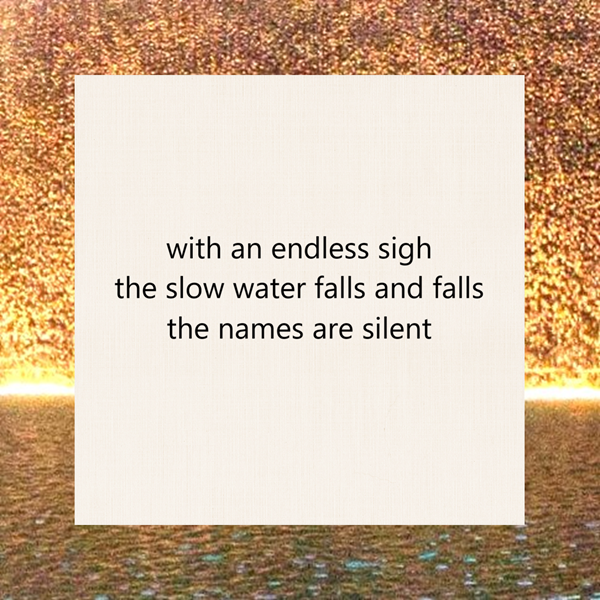
haiku poem about nyc 9-11 5-7-5 format: with an endless sigh the slow water falls and falls the names are silent by peter galen masseywith an endless sigh / the slow water falls and falls / the names are silent

.

(new york city)
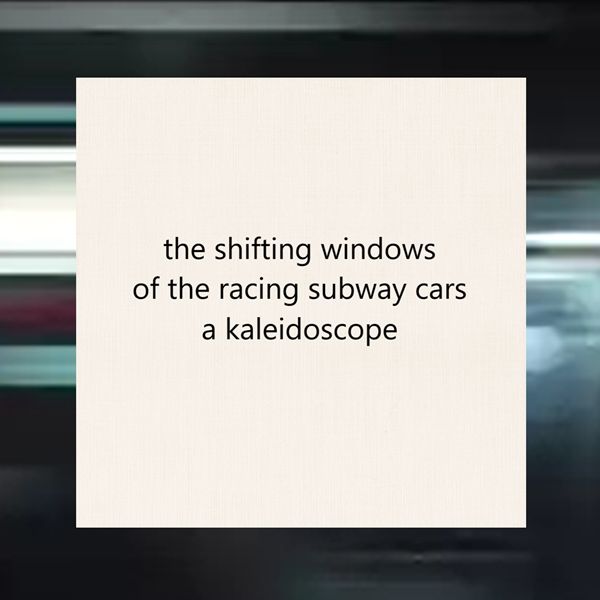
modern haiku poem 5-7-5: the shifting windows / of the racing subway cars / a kaleidoscope by peter galen massey 2025 artworkthe shifting windows / of the racing subway cars / a kaleidoscope
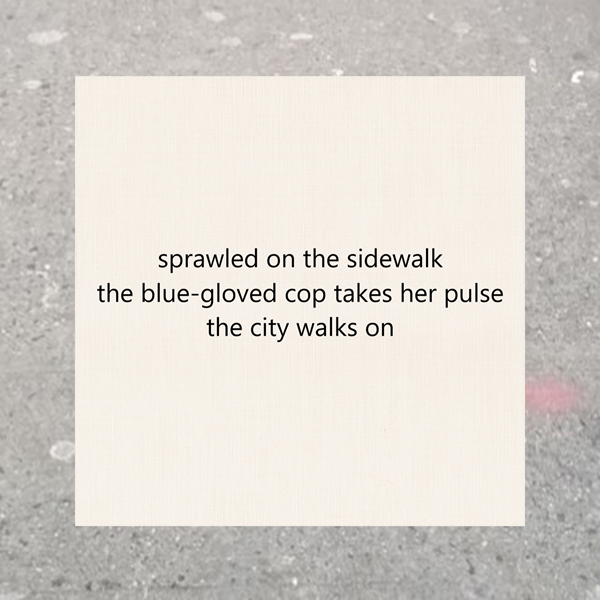
modern haiku poem 5-7-5: sprawled on the sidewalk the blue-gloved cop takes her pulse the city walks on peter galen massey 2025 artworksprawled on the sidewalk / the blue-gloved cop takes her pulse / the city walks on
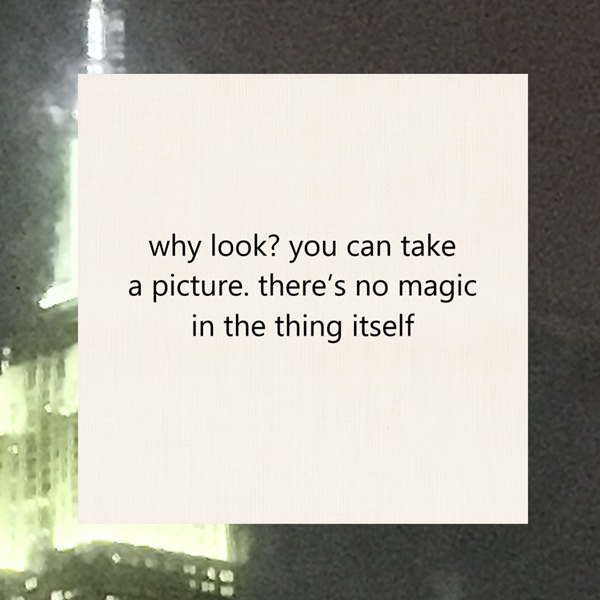
modern haiku poem 5-7-5: why look? you can take / a picture. there’s no magic / in the thing itself by peter galen massey 2025 artworkwhy look? you can take / a picture. there’s no magic / in the thing itself
modern haiku poem 5-7-5: across new york bay / a monarch in raging flight / charges the skyline by peter galen massey 2025 artworkacross new york bay / a monarch in raging flight / charges the skyline

.

(5th arrondissement)
modern haiku poem 5-7-5: on the boulevard / the waiter brings the coffee / like he knows our secrets by peter galen massey 2025on the boulevard / the waiter brings the coffee / like he knows our secrets
modern haiku poem 5-7-5: the ancient church bells / fill the air with sounding bronze / time is older here by peter galen massey 2025the ancient church bells / fill the air with sounding bronze / time is older here

(place de la contrescarpe)
modern haiku poem about cell phones 5-7-5 format: what news, what cruel words / from the remorseless screen made / the young woman weep by peter galen massey 2025what news, what cruel words / from the remorseless screen made / the young woman weep

.


Modern Haiku Video

.

This video features modern haiku about rage, despair, darkness, and death. The song “I Forgot to Water My Potted Plant… Yay!” was written and performed by Pineapple Hat, and is used with the artists’ permission.


Modern Haiku FAQs

How Are Modern Haiku Different From Traditional Haiku?

Traditional haiku in English imitate the work of famous poets such as Matsuo Basho and Yosa Buson. They follow the 5-7-5 syllable format that approximates the 5-7-5 mora of haiku written in Japanese. Traditional haiku are limited to observations of nature and the seasons within a moment of time. They don’t use poetic language or devices, they create a seeming objectivity by avoiding any expression of the poet’s ideas or emotions, and they don’t have titles.

Modern haiku don’t limit themselves to the 5-7-5 syllable format. They use different line lengths and syllable counts although modern haiku generally limit themselves to two or three brief lines. Modern haiku consider subjects other than nature, can use poetic language and devices, and may express the poet’s ideas or emotions.

Many of the poems on this site meet this definition of modern haiku, including the ones on this page. There are some additional differences, however. The poems on this page have titles, which is not typical for haiku. These titles function mostly as place labels rather than helping you understand the intent of the poem. The second difference is most of the poems on this page are collections of interrelated haiku, which in some ways function as stanzas in the poems. You’ll find more examples of these kinds of modern haiku on this site.

Are Traditional Haiku Objective?

No, they are not. You can make a good case that traditional haiku give readers more freedom to find their own meanings in the poem because the poet withholds her thoughts and feelings. This is certainly true and it is one of the characteristics of haiku that make them interesting.

However, you can’t escape the issues of selection and attention. No matter how dispassionately a poet chooses the elements she includes in her haiku, and no matter how objectively she describes these elements, the fact remains that she has chosen them and by placing them in a poem, implied they have an importance which is likely to provoke the reader into finding a meaning in the haiku even if the poet intends none — a meaning that the reader will then often attribute to the poet herself.

To write an objective haiku, you might have to do something like this:

waves and waves and waves
and waves and waves and waves and
waves and waves and waves

I can see this haiku provoking a range of responses, from how relaxing to how sinister to no duh to so what. Consider another example:

day and night and day
and night and day and night and
day and night and day

Reading this haiku as an objective observation makes the poem so obvious, there’s no point in reading it at all. Deciding the poem expresses the despair of the meaningless succession of days and nights makes it a little better, but not much. Finally consider this example:

i love you love you
love you love you love you love
you love you love you

Here the meaning of the haiku seems clear IF we think the poet is speaking sincerely. But how do we know this? If we somehow know the poet is speaking sincerely, what’s with the repetition? Does it come from passion or desperation or pleading or bullying or something else?

I think it’s best to see the meaning of poems as existing on a continuum between less determined and more determined. Poems where the poet withholds her thoughts and feelings are less determined (more “objective” if you like) and poems where the poet express her thoughts and feelings are more determined. This continuum never reaches 0% or 100%, and we would not want it to reach these points. It is the interaction between poets and readers that make haiku and other poems worth reading.

Read Full Post »

haiku poem about death 5-7-5 format: the case clock has stopped empty clothes hang forgotten books sleep on the shelf by peter galen masseythe case clock has stopped / empty clothes hang forgotten / books sleep on the shelf
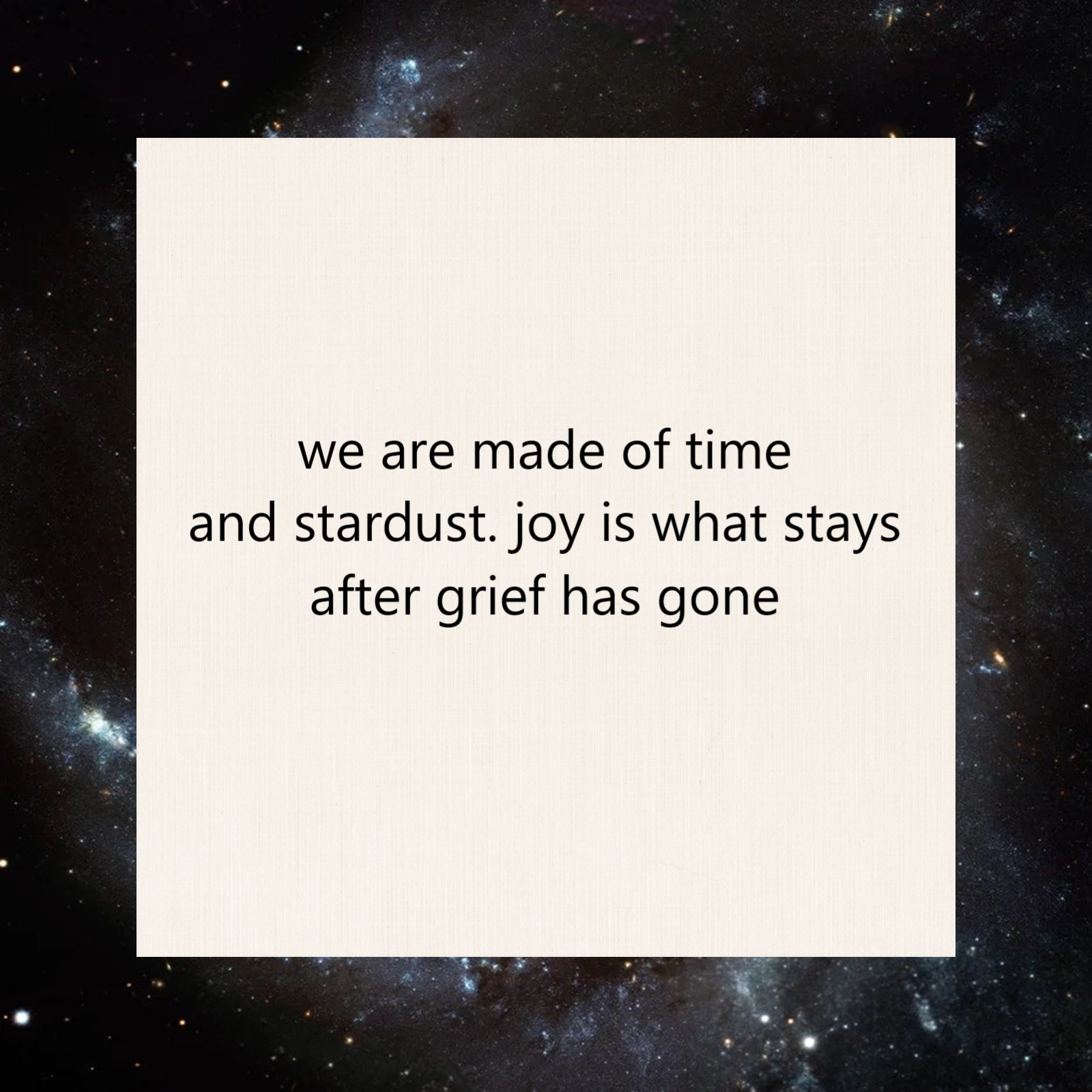
haiku poem about death 5-7-5 format: we are made of time and stardust. joy is what stays after grief has gone by peter galen masseywe are made of time / and stardust. joy is what stays / after grief has gone

Read Full Post »

haiku poem about truth 5-7-5 format: the truth is useless the sun like a cataract shines on a blind land by peter galen masseythe truth is useless / the sun like a cataract / shines on a blind land

Read Full Post »

haiku poem about new years day 5-7-5 format: bright satin, bright brass the trilling banjos sing out as the mummers strut by peter galen masseybright satin, bright brass / the trilling banjos sing out / as the mummers strut
haiku poem about new years day 5-7-5 format: how soon the joy fades paper hats and plastic horns bought on new year’s day by peter galen masseyhow soon the joy fades / paper hats and plastic horns / bought on new year’s day

Read Full Post »

haiku poem about Ireland 5-7-5 format: hot lunch and a pint a fine fat soaking rainfall on st. stephen's green by peter galen masseyhot lunch and a pint / a fine fat soaking rainfall / on st. stephen’s green
haiku poem about Ireland 5-7-5 format: awake in the dark the soft rumbling heartbeat of dublin's night train by peter galen masseyawake in the dark / the soft rumbling heartbeat / of dublin’s night train

Read Full Post »

haiku poem about the irish famine 5-7-5: in cold hungry fields lie ruined stone cottages ashes bones and ghosts peter galen masseyin cold hungry fields / lie ruined stone cottages / ashes bones and ghosts

Read Full Post »

Haiku Poem | “north tower nyc”

with an endless sigh / the slow water falls and falls / the names are silent

Read Full Post »

On Seeing Rafael Fruhbeck de Burgos Conduct During His 79th Year

We clapped because we thought
You might not make the short walk
From the stage door to the podium.
You were shrunken and shuffling

In your baggy black clothes and
A starched white butterfly hung
Loose round your fragile neck.
But you seemed determined.

You sat down scoreless, harangued
The orchestra, caressed the air, and
We heard joy in command of mighty
Sound, saw joy in making, shared

Joy that sustains bone and breath
Beyond the endurance of matter.

Pop Songs

When you get old, the only way
To fall in love is with a pop song.
Every other love is settled or too
Much trouble unless your pain is
Desperate, your luck unlucky, or
Your impulses poorly controlled.
There are no other enthrallments
For the blood. The hottest kisses
Grow tepid in hundreds repetitions.
The climactic orchestral tingle lessens,
The taste of fine cool wines dulls, and
Blazing lines of genius aren’t quite embers
Enough to keep you warm. But the pop song
Is that impossible girl who might have been the
Unknown unknowable thing you wanted once in
Another lifetime and for ten days she consumes you
Entirely. All your feeling is hers and you have no desire
Save to drink and drink the heady elixir of her voice.
Then she is gone: the champagne bubbles of her
Enchantment all winked out. In youth, embrace
The girl who puts your head to spin. In age,
Stick to songs from Carly Rae Jepsen.

On Hearing Johnny Cash Sing “Spiritual” in Old Age

When you stepped into the booth, did
You feel gone from the earth? Did you
Fear even your voice would be lost in
The silence of the headphones? That
Your final fragile fight was exhausted,
Only pain and loneliness enduring in
The human soul? How this mess of
Warm tears spilling through my fingers
While I try to choke them down, from a
Song bought on impulse, with no more
Care or intention than a bag of chips
Purchased with pocket change? Now
Weeping for all deaths since we first
Saw the stars and thought them bright.
When I’m stripped to every nothing but
Ash, sing my pleadings in the voice of
Johnny Cash.

Listening to Kane’s Bardsey Sound While Stuck in Traffic on the Schuylkill

The cellos made me wish I was standing
On a long shore of the sea, the breeze
Strong in my face, the knife of the cold
Cutting the seams of my clothes, slow
Steel clouds above, slow steel waves
Below weakly battering the stony beach,
November and all of winter before me,
The roll roar surge swell hush hump of
The Atlantic’s vastness writing a book of
Every word in every language, speaking
Every voice telling every story, promising
To make us nothing and everything in its
Overwhelming embrace.

Levon Helm

Lie down and rest, Levon, in the green
Unspoiled country you sang into being.
How did you hear what we could not?
The strong secret pulse of the soft dew,
The fresh peerless morning, the plowed
Fields, the warmth of the blessing sun,
The cut wheat, the lovely shimmering of
The leaves, the bright moss on wet stone,
You voiced and told with skin and wood.

How could a flame so pure consume the
Candle? Tell me youth and joy in making
Are enough to stun time and free us from
The ticking clock of flesh. I will not believe
Age and sickness ravaged you though I saw
Them with my eyes. You will always be on
Scorsese’ stage, in your Woodstock barn,
Before us swirled in beat and harmony,
Songs intensely blue like a summer sky,
Luminous, invincible.


Poets often wish they were another kind of artist. In my case, I have always wanted to play music, which is impractical because I possess a decisive and all-encompassing lack of musical talent. Still I often wish I were a musician. I envy how intensely alive in the moment their art is and how the best music is played with other musicians in front of an audience to create a community of joy.

The work of musicians could not be more different from the work of poets. When musicians play music alone in a room, they call it practicing and while it is a necessary discipline it is not their work. When poets write alone in a room, it is our work – all of it – and we only get to leave that room when we are done. Our moments of greatest creativity go unnoticed and unknown. We don’t usually meet our readers and when we do, it’s often after they have had time to think about the ways our poems fall short. And we can be lonely creatures because our work requires solitude and because we are consumed by the ideas, stories, characters, and emotions which fill our heads and which can crowd out the real people in our real lives.

Poetry does have its compensations. If poetry is a lonely occupation, it is also one that liberates us from the need for troublesome and unreliable collaborators. Poets don’t have to struggle with temperamental instruments, challenging acoustics, or the limits of mechanical reproduction. Any legible copy of a poem delivers its full experience, which is not improved by handsome printing and binding (although these books do make fine gifts, our shop is right this way).

If a poem is less alive in the moment than music, because the acts of writing and reading are separated by time and space, poetry and its reading are more durable. Music is here and gone, much like the moment in which we are always living. Poetry can endure across centuries, sitting on a shelf and waiting for a reader in whose hands the words become as alive again as they were during the moment they were written. And if the loneliness of the poet is a burden, it is relieved by the thought that somewhere, sometime perhaps our work makes an unknown reader less lonely.

All art is an argument with life, time, and death the artist loses. So I was surprised and not surprised going through my files looking for poems about music to discover that the ones I had written were often about old musicians living in the moment and losing their arguments with time. I find these poems hopeful rather than tragic. Everyone dies. Not everyone is blessed with chances to live in passion and joy, as the musicians in these poems are blessed.

Read Full Post »

Moses Before The Parting of The Red Sea

What voice did I hear that made me walk back into
The mouth of death and defy its teeth? For whose
Freedom? I was already free, and yet I returned to
Mumble arguments at a man unmoved by hail and
Darkness. When his son died, I hesitated. To tell the
Body he held was punishment for his faults struck my
Conscience. What did I know? There are griefs too
Deep for judgment, either of God or men. But I had
My responsibilities. I had made promises to people
Who never asked I make them. So I won our release.
It was only three mornings of this new uncertain life
Before we heard the roaring of wheels, the clashing
Of armor. They are racing over the hot stone ground
To claim us back. We have no weapons to fight and
No direction to flee. And it was I who brought us here.
I will stand at the slip of the sea, throw my arms wide
In command. What is faith – foolishness or despair or
The refusal to surrender all that was never enough?

Acts of the Apostles

I know you’re a preacher from your black coat,
The lady said and I smiled and told her Almost.
To what strange lands might we fly if I spread
My black wings, from what strange texts might
I speak if I took the pulpit? Would I please her
Dancing my exuberant heresies on the Rock of
Ages? Perhaps. Her face said she might take
My mysteries for faith, my wonders for reasons,
My beauties for redemption. She might grant me
A God who is all whirlwind and no ash heap, who
Suffered so He could say We are the same now.

Or would she ask me What about love dear? and
Smile at my blank look. Love is simple as a child.
You shuffle Her to one side with your words and
Your rules and your thinking. Then I would sweep
Off my preacher’s coat and settle it on the majesty
Of her stooped shoulders.

The Hermit in Her Retirement

Come sit down dear and have a cozy chat.
Tell me your news. Your news! I kept God’s
Secrets all those years. Do you think I can’t
Keep yours? Listen to that wind. Cold. It
Makes my joints ache just to think of my
Stone hut those long years in that weather.
If we both smile they will bring us more tea.
Now, how are the kisses of your stout man?
I don’t know what makes the young think
The old haven’t heard about these things.
I knew about kisses as a girl though I called
Them Sin – kisses and many other things –
And I ran away to the wild. There is no Sin
In the sea, no Sin in birds, no Sin in the sky.
I believed all I renounced was discipline. I’ve
Come to think it was secret pride, and that
St. Paul did a job of work on us. No regrets.
I would welcome a pair of warm arms now,
Though who could embrace me here without
Scandal I don’t know. I’ll tell you my secret.
I’m not sure if I’ve lost my vocation or found
It at last. There may be as much immanence
In that bag of crisps as the warm riot of the
Stars on a summer night. All that is good is
Good.

How The Day Began

I dreamed I was young and could sing. My
Voice not this three-note croak but mighty
Sound and how easily my soul soared from
My lips into the vibrant air. Then I woke up
And I was old and had no song, just these
Words, grey dawn and no soft sleep again,
Grief so strong that even I thought the old
Coconut of my heart would split and spill
Its little milk. Outside, the trees in shadow
Were mystery and the traffic noise mystery;
Mystery my hands and mystery my teeth;
Mystery the tasks of the day and mystery
All the days gone in mourning. The radio
Broke into a pitch and I rose to silence it.
Might be a cup of coffee is the fix? And
I heard in my mind my grandmother say
No complaining and my father Find a use.
My mother said Be kind and my wife said
Remember your mother. God said I made
You a soldier who goes to war with himself.
Call Me Son of a Bitch and ask My blessing.

Evensong, King’s College Chapel

Our days are longer than glass, longer than
Stone, longer than light and air, longer than
The waters of this softly flowing river that will
Pass, rise, fall, and pass again while we speak
These words, sing these words. Our days are
Longer than prayer or scholarship, than ambition
Or boasting or riot or sleeping or waking or food
Or kisses or the bright exalting summer of youth.
They are longer than sorrow or rejoicing or love
Or bones turned to powder. Our steps trace and
Retrace the paths of echoing generations, and
We are indistinguishable among them. For a
Thousand years has the black-haired girl sat in
Choir and stared black-eyed, and for a thousand
More will she sit and stare. We will speak these
Words, sing these words. For centuries the man
Has sat dry in his faith, and for centuries more
Will he sit. We will speak these words, sing these
Words. The dry man will find his faith and the
Black-eyed girl will look up. We have no need
For rushing. With our words and our singing
We make this glass and this stone the great
Still center of creation. The long grass moves
From the breath of our words. The trailing
Willows sway from the breath of our singing.
The river flows softly while we speak and we
Sing. These words and this singing pass from
Mouth to mouth and their living is continuous.
We do not matter at all. Our broken ineluctable
Particulars are translated into these words and
This singing, and we are made whole by them.
When the windows are blank cold darkness we
Speak. When the stones glow skin warm we sing.
There is confidence in our words and endurance
In our singing. The softly flowing river passes.
We speak and we sing.


If you came here looking for poems about conventional faith in a conventional god, you have come to the wrong shop.

I don’t have much use for conventional faith because it runs away from the essential problem. Which is that a candid reading of the available facts suggests we are born out of nothingness. Then we experience a series of arbitrary events, some pleasant, many others very unpleasant indeed. Then we die, either too soon or not soon enough, after which we wink into nothingness again. That’s it. It’s over. And none of it meant a damn thing.

Religion tells us a better story, one in which our suffering has meaning and an essence of our lives continues after death. This is a fine story and I believe it in a non-dogmatic way and I have no problem with people who believe a version of it. With two exceptions.

The first are those people who believe their faith precludes them from confronting the terrors of the void. Not because it makes their faith brittle. That’s their problem. But because it turns them into death-obsessed nihilists. Which makes them our problem.
One way to confront the mystery of suffering and death is to become an agent of suffering and death and gain a measure of control by becoming their cause. Holy warriors fighting holy wars for example.

Now if these folks would go off someplace quiet and slaughter each other while leaving the rest of us out it, that would be fine. But they usually aren’t so discriminating.

A related group of death-obsessed nihilists are those excited for the apocalypse. Parts of the apocalypse sound nice. God sweeps us off to a better place where we are happy and don’t suffer and won’t die and don’t have to go to work or clean the house or pay bills.

The problem is that God isn’t taking all of us with him. He plans to take just a few members of his club, which somehow always includes the person discussing the apocalypse, while inflicting unbearable suffering on the rest of us, first on earth and later in hell.

Fans of the apocalypse say they love us and feel sorry we are going to hell, but they also seem eager for it to happen. Which makes me doubt the sincerity of their love.

Once again, if these folks celebrated their beliefs and left the rest of us out of it, that would be fine. The problem is their beliefs often affect our lives by ignoring climate change (because the earth is about to end anyhow). Or ignoring Covid (because the Rapture is about to happen and if they die before it comes, they’re still going to heaven). Or getting excited about wars in the Middle East because that is a sign the apocalypse is on its way. And so on.

Obviously, these two flavors of nihilists are not mutually exclusive. They can overlap and often do.

The second exception are those persons who use religion to control people. This statement is proven by the entire history of the world but I’ll provide two examples. The first is that the true successor to the Roman Empire was the Catholic Church. For centuries, the church fought with secular rulers for control of the western world. Today it is merely a wealthy multinational conglomerate with a spiritual side hustle and a PR (but not a moral) problem with child sexual abuse.

The second is the current rise of Christian Nationalism in the United States. The fact that this movement has little to do with Christianity, that the people inside the movement don’t care about Christianity, and that the people outside the movement aren’t surprised they don’t care, tells you all you need to know.

At this point, you might ask if I think religion has any legitimate function. It does. Religion exists to reconcile us to the mysteries of life. The characters in these poems are seeking that reconciliation, which is always tentative, contingent, changing, drawing close and pulling away, never settling on an answer. At their best, these characters contemplate a brief life of meaningless suffering lived between two voids and say that it is good.

Another way to say this is that religion works best when it embraces the purposes of art, which also seeks to reconcile us to the mysteries of life, just replacing the stamp of divine approval with the persuasion of individual talent.

This makes artists the mirror-opposite of the death nihilists and the power hungry. We embrace beauty, mystery, wonder, and love and gain a measure of control by creating them. And we invite other people to embrace our visions, if it suits them, rather than slaughtering or controlling them. The world would be a better place if it were run by the poets.

Read Full Post »

how will the world end
with rust and poisoned water
or with new green leaves
some say doomsday is doomsday
and all ends in dust and death

but i don’t think so
more potent than our machines
is potent nature
the meditations of time
and the patience of the earth

these will puff away
cities and shopping plazas
turnpikes parking lots
strip mines factories and mills
like white dandelion seeds

drifting in the air
and garbage dumps will blossom
as fresh young edens
with new souls in new soft flesh
walking on the tender grass

here we find the proofs
where a daisy rises like
a defiant fist
to protest the oil tanks
beyond the screen of the trees

where the seething throb
of the stalled diesel engine
on the trestle bridge
is drowned to extinction by
the riot of singing birds

where green fields flourish
next to empty warehouses
and abandoned homes
where three feet of good soil
is a world all to itself

we are mistaken
in time in scale in vastness
in our selfish lives
after the gasoline burns
there will be roses again

Read Full Post »

Older Posts »